
Indigenous Peoples play a critical role in conserving biodiversity in the Philippines, as their ancestral lands overlap with a significant portion of the country’s Key Biodiversity Areas (KBAs), protected areas and critical watersheds. Deeply rooted in Indigenous knowledge systems and practices, these communities have long safeguarded ecosystems supporting diverse plant and animal species.
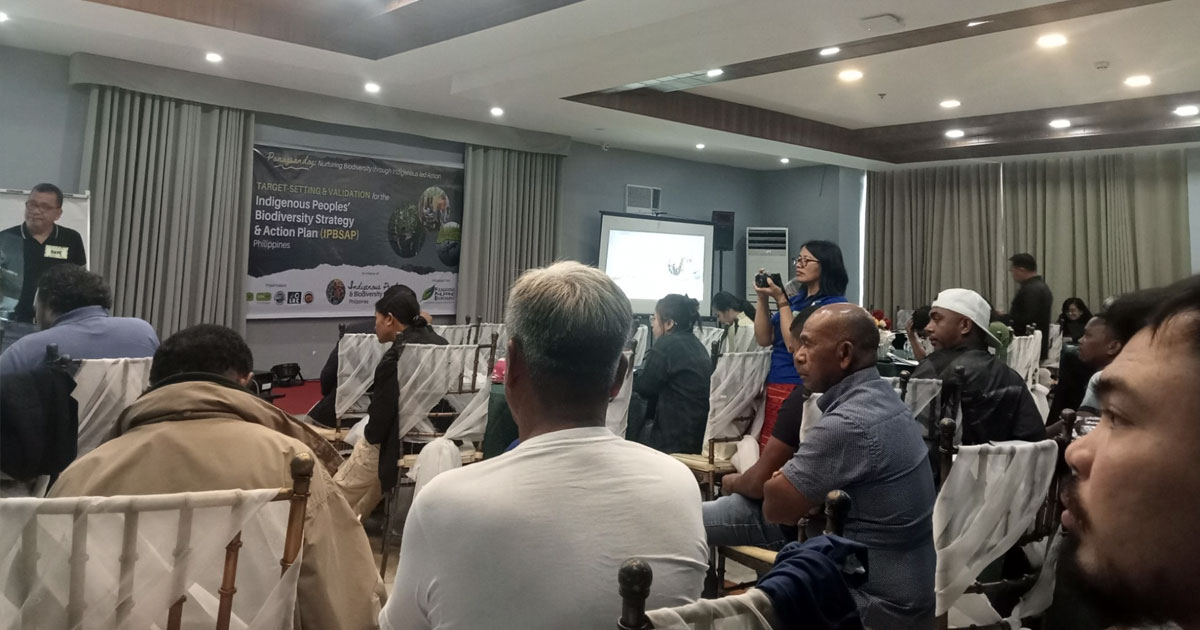
Recognizing this vital contribution, a Training of Trainers (TOT) on Target Setting and Validation for the Indigenous Peoples’ Biodiversity Strategy and Action Plan (IPBSAP) was conducted in Subic, Olongapo City from March 23 to 26 to strengthen local capacities and promote inclusive biodiversity governance.
The training was anchored in the broader global and national context of biodiversity conservation. Following the adoption of the Kunming‑Montreal Global Biodiversity Framework (KMGBF) in 2022, the Philippines has been aligning the Philippine Biodiversity Strategy and Action Plan (PBSAP) with global targets. The KMGBF sets out four main goals and 23 action‑oriented targets to be achieved by 2030, including halting biodiversity loss, restoring degraded ecosystems, ensuring sustainable use of biodiversity, and mobilizing resources for implementation.
In parallel, Indigenous Peoples and their partner organizations initiated the development of the IPBSAP through independent consultations, ensuring that Indigenous rights, knowledge systems, practices and perspectives are fully integrated into biodiversity strategies. This approach reflects KMGBF’s emphasis on equity and inclusive governance, recognizing Indigenous Peoples and local communities as central actors in achieving global biodiversity goals.
Formally submitted to the Department of Environment and Natural Resources–Biodiversity Management Bureau (DENR-BMB) in August 2024, the IBSAP represents a collective commitment of Indigenous Peoples to biodiversity conservation. It highlights their contributions across all KMGBF targets and outlines concrete actions that can be localized through instruments such as the Ancestral Domain Sustainable Development and Protection Plan (ADSDPP).
The training sought to operationalize these commitments by equipping local leaders and facilitators with the knowledge and skills to conduct target-setting workshops within their respective communities. The initiative also served as a platform for consultation among Indigenous communities, government agencies and other stakeholders, ensuring that the localization of the IPBSAP is participatory, context-specific and firmly grounded in a rights-based approach.
The training’s key objectives included refining the IPBSAP to reflect regional realities, engaging stakeholders in meaningful dialogue and generating outputs that support the integration of biodiversity targets into local development plans. Additionally, the training focused on building a pool of trained facilitators who can replicate the process in other regions, thereby expanding the IPBSAP’s reach and impact.
The methodology emphasized inclusivity and spatial planning. Participants were selected to represent different ancestral domains, covering areas with Certificates of Ancestral Domain Titles (CADTs), Certificates of Ancestral Domain Claims (CADCs), or ongoing applications. Special attention was given to communities with ancestral waters to promote a ridge-to-reef approach in conservation planning. Mapping exercises played a central role, enabling participants to identify conservation areas and visualize overlaps with existing protected areas, Key Biodiversity Areas and Indigenous Community Conserved Areas (ICCAs).
To ensure ethical and respectful engagement with Indigenous participants, community consent was obtained through a formal resolution involving representatives from the National Commission on Indigenous Peoples and upholding transparency in the use and sharing of information generated during the workshops.
The three-day program combined plenary discussions, workshops and participatory activities. Topics covered the relationship between Indigenous Peoples and biodiversity, the global and national policy context and the development and significance of the IPBSAP. Participants engaged in story-gathering sessions to document their conservation practices and motivations, followed by mapping and target-setting workshops to identify priority areas and commitments.
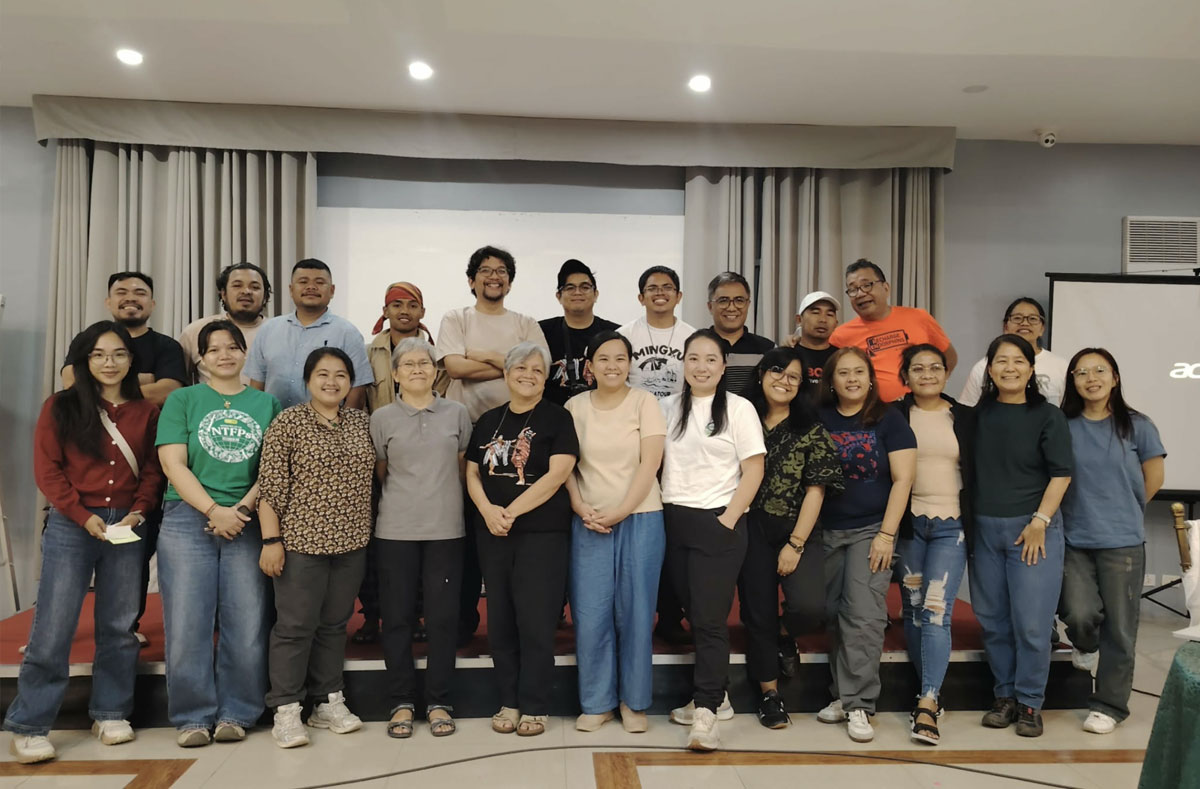
Outputs from the training included spatial representations of conservation targets aligned with the 30×30 global goal—which commits countries to conserve at least 30% of the world’s land, inland waters, and marine areas by 2030. At the same time, these conform to integration plans for IPBSAP targets into ADSDPPs, documentation of Indigenous conservation practices, and recommendations for strengthening ICCA policy frameworks. The training also laid the groundwork for replicating similar workshops nationwide, reinforcing local contributions to global biodiversity commitments.
Ultimately, the IPBSAP training of trainers in Central Luzon highlights the importance of empowering Indigenous communities as stewards of biodiversity. By recognizing their rights, valuing their knowledge systems and practices and supporting their leadership in conservation efforts, the initiative contributes to a more inclusive and effective approach to safeguarding the Philippines’ rich natural heritage.