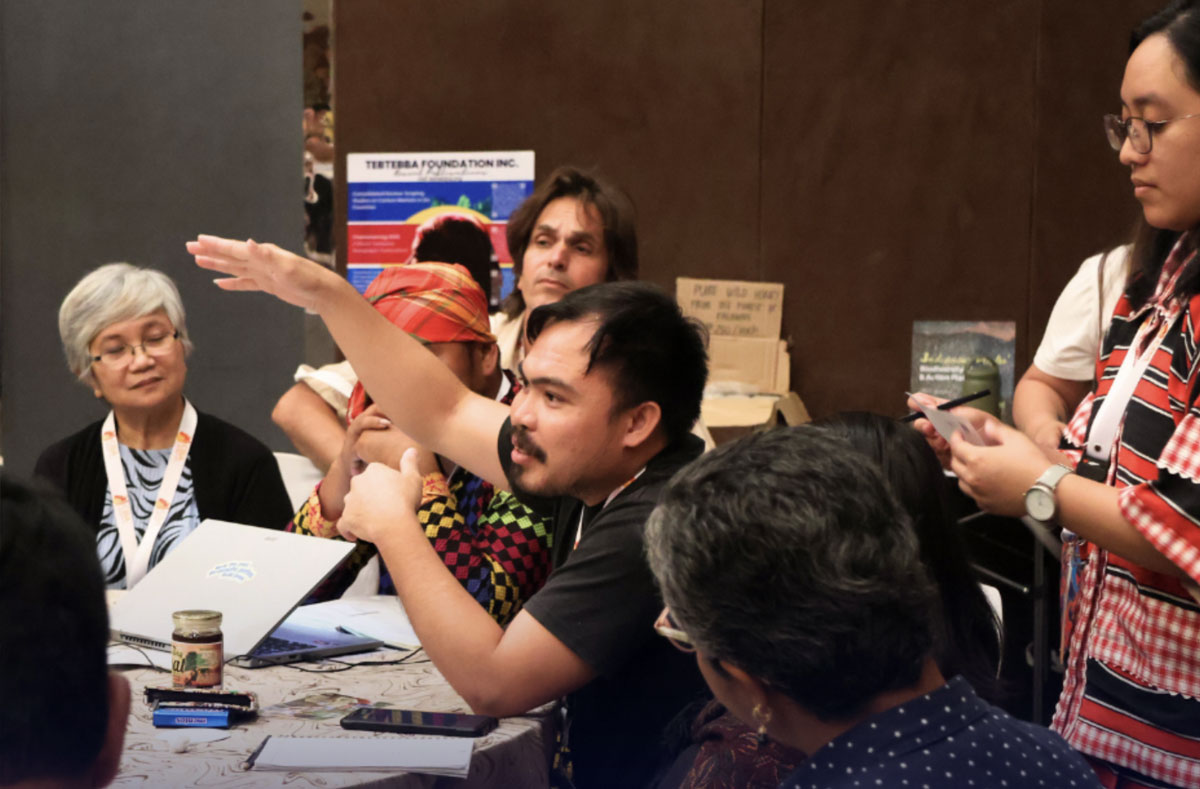
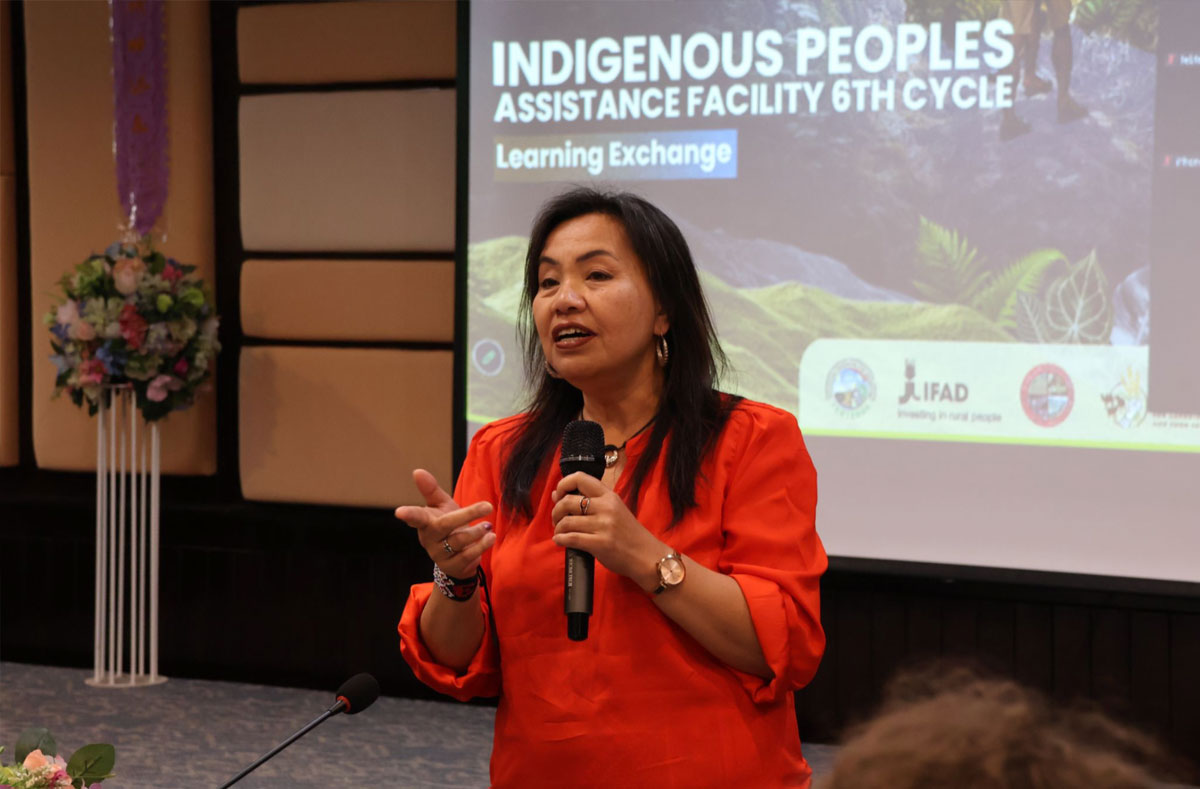
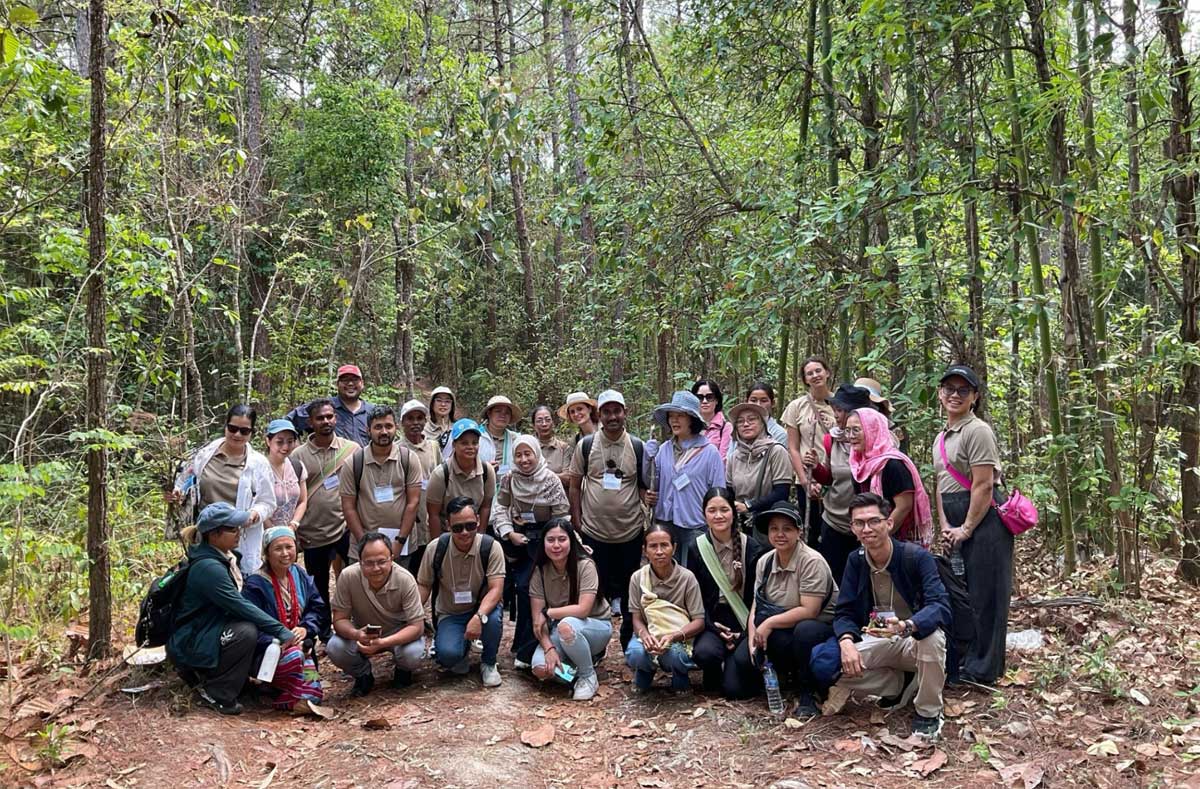
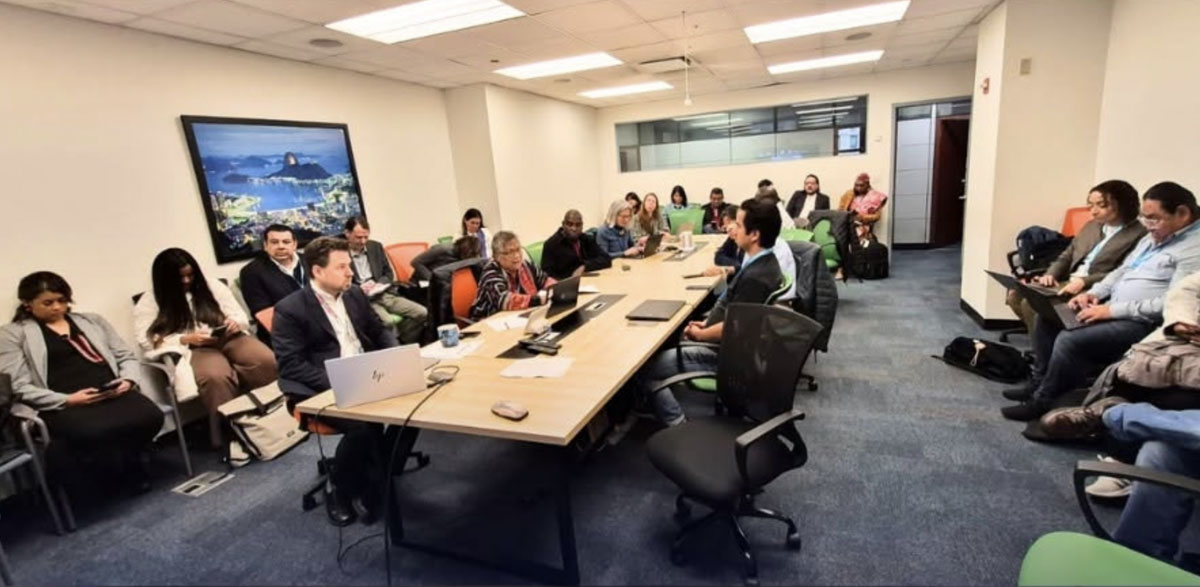
Sixteen partners of Cycle 6 of the Indigenous Peoples Assistance Facility (IPAF) Asia-Pacific, represented by about 36 delegates, including Indigenous women and community leaders from country and community partners, participated in a Project Learning Exchange on April 27–May 2, in Chiang Mai, Thailand. The Learning Exchange created a platform for intercultural dialogue among community partners, project implementers and Indigenous leaders as they shared outcomes, challenges and emerging impacts, particularly on women and youth.
Tebtebba Foundation, a co-manager of IPAF, convened the gathering to identify ways and strategies to sustain achievements beyond the project, ensuring that Indigenous knowledge, rights and community‑driven initiatives remain at the center of climate action and biodiversity conservation.
![]()
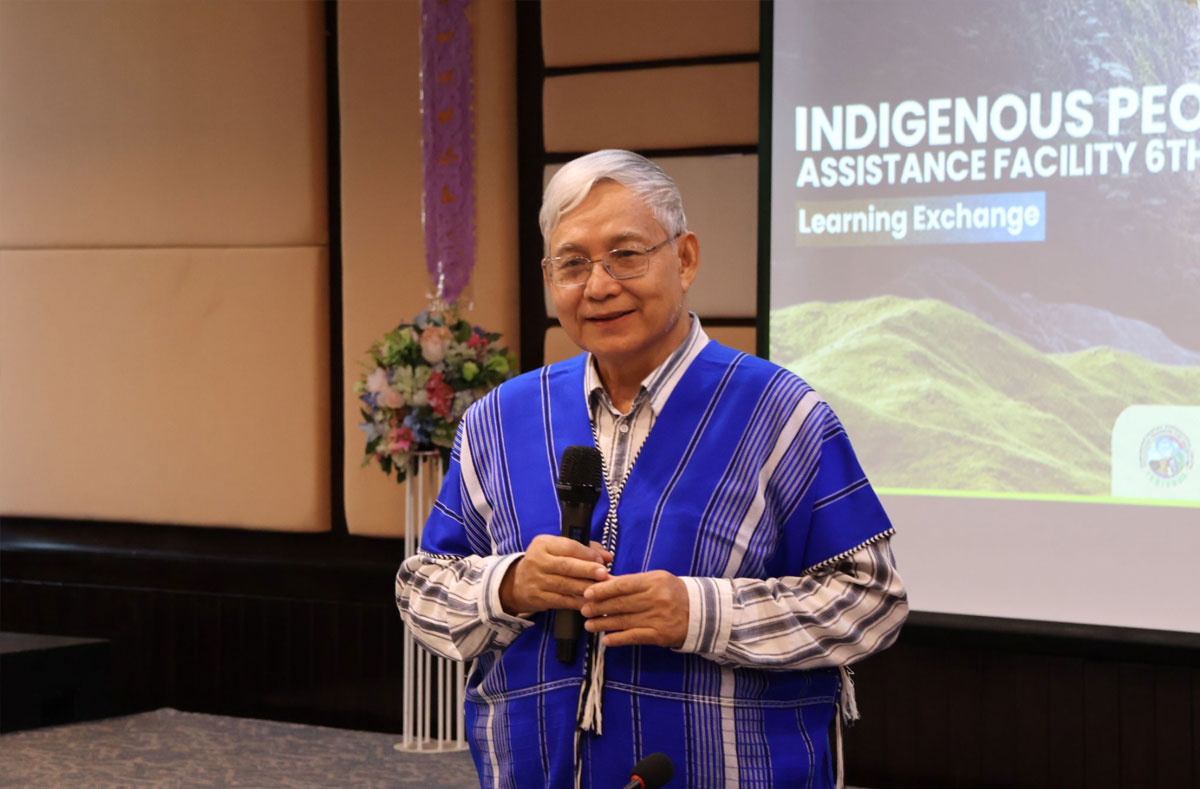
During the opening, Dr. Prasert Trakansuphakok, Director of Pgakenyaw Association for Sustainable Development (PASD) in Thailand, recalled IPAF milestones, including collaborations with International Food and Agricultural Development (IFAD) and North East Slow Food and Agrobiodiversity Society (NESFAS), as well as the introduction of the agroecology performance evaluation (TAPE) tool. He emphasized how these efforts strengthened traditional farming, improved food security, empowered youth and women and fostered social enterprises. He called for wider reach, stronger funding and sustainable implementation built on four pillars—biodiversity, nutrition, Indigenous economy and climate resilience.
Welcoming the participants, Tebtebba Executive Director Helen Biangalen‑Magata lauded the inspiring small‑scale, community‑led projects supported by IPAF, stressing their role in livelihoods, climate adaptation and food security and the importance of Indigenous knowledge systems in biodiversity management. “Indeed, Indigenous Peoples play a crucial role in knowledge systems, resilience and grassroots initiatives that often yield more sustainable and long‑term impacts. Despite their small scale, these initiatives are powerful and scalable, demonstrating that solutions rooted in community and tradition can make a significant difference worldwide.” She encouraged participants to share lessons, strengthen partnerships and draw on local knowledge for sustainable development.
IFAD and Indigenous Peoples
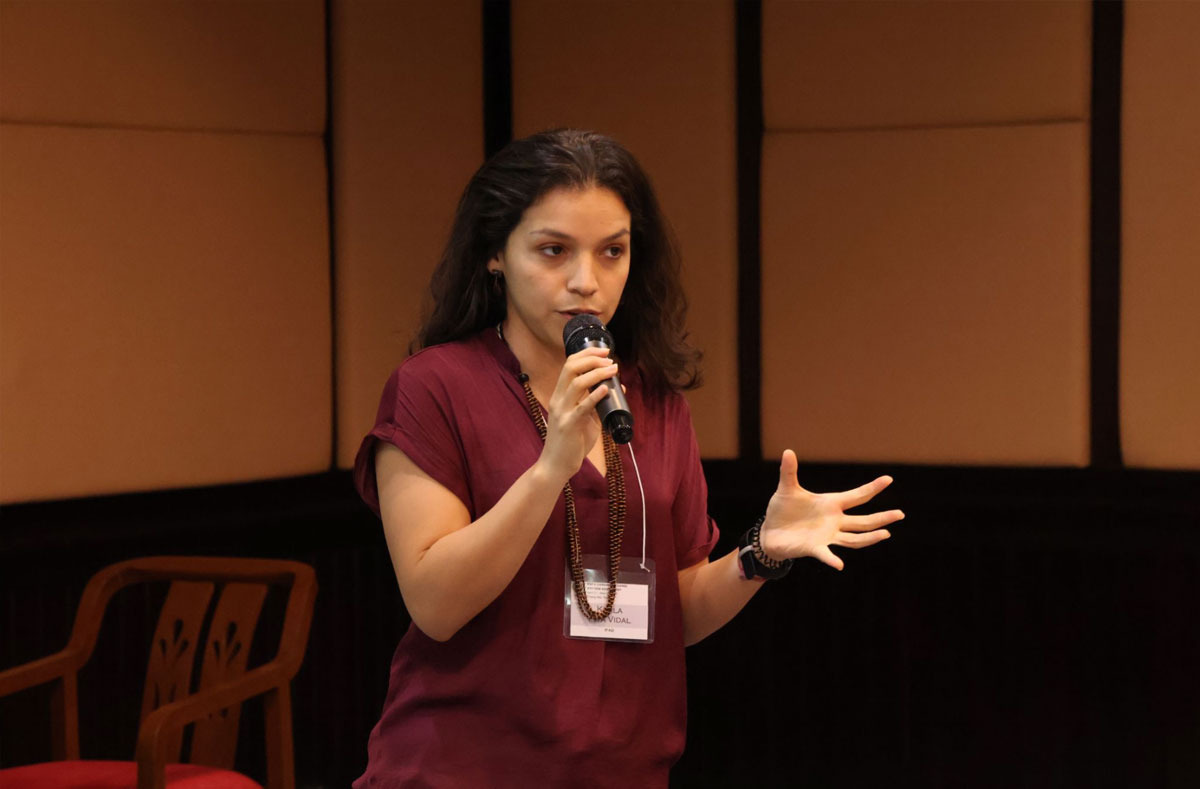
According to IFAD Social Inclusion Specialist Karla Sofia Pita Vidal, IPAF has reached Indigenous Peoples globally since 2007 and supported over 200 projects, with priorities in biodiversity, gender and youth. IPAF is an innovative funding mechanism of the IFAD, which supports projects developed and implemented by Indigenous Peoples and their communities and organizations through small funds.
![]()
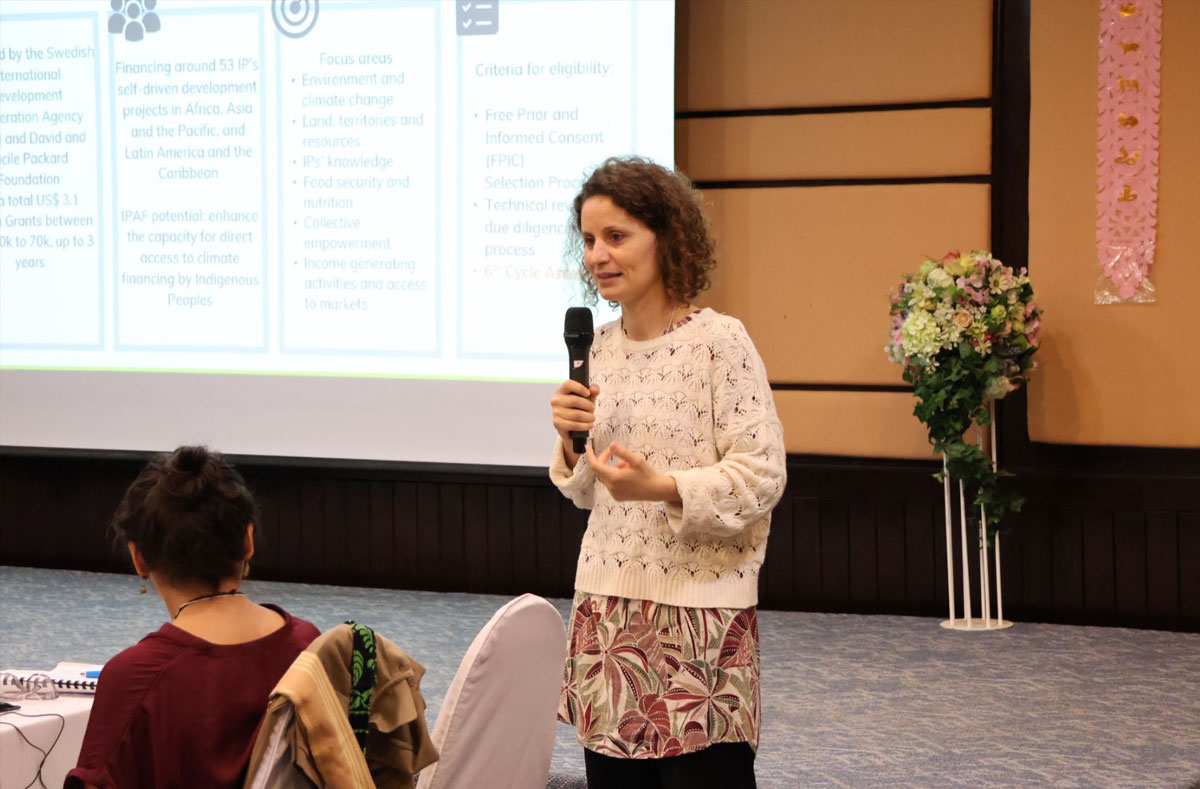
Margherita Loddoni, Technical Specialist at IFAD’s Environment, Climate, Gender and Social Inclusion Division, underscored IPAF’s deep connection with Indigenous communities and their holistic approach in integrating the environment, climate change, land and livelihoods. She stressed the importance of Free, Prior and Informed Consent (FPIC) to ensure projects remain community‑led, adding that cycle assessments are vital for reflecting Indigenous perspectives. She described IPAF as a collective effort made possible by many partners, with growing momentum for direct access to financing for Indigenous Peoples. IFAD’s role, she said, is to support initiatives already being led by communities.
![]()
Highlights of Learning Exchange
“Are we the culprit in today’s crises?”
![]()
Raising this question, Eleanor Dictaan‑Bang‑oa, IPAF Project Team Leader at Tebtebba, affirmed that Indigenous Peoples are actors moving towards the solution to the global environmental crises we face. “We are all building blocks to the solution,” she said.
Tebtebba IPAF Program Officer Jane Yap‑eo added that every gathering calls for shared action to address common issues with collective solutions, while facing the distinct challenges of climate change and biodiversity loss, the central focus of IPAF Cycle 6.
![]()
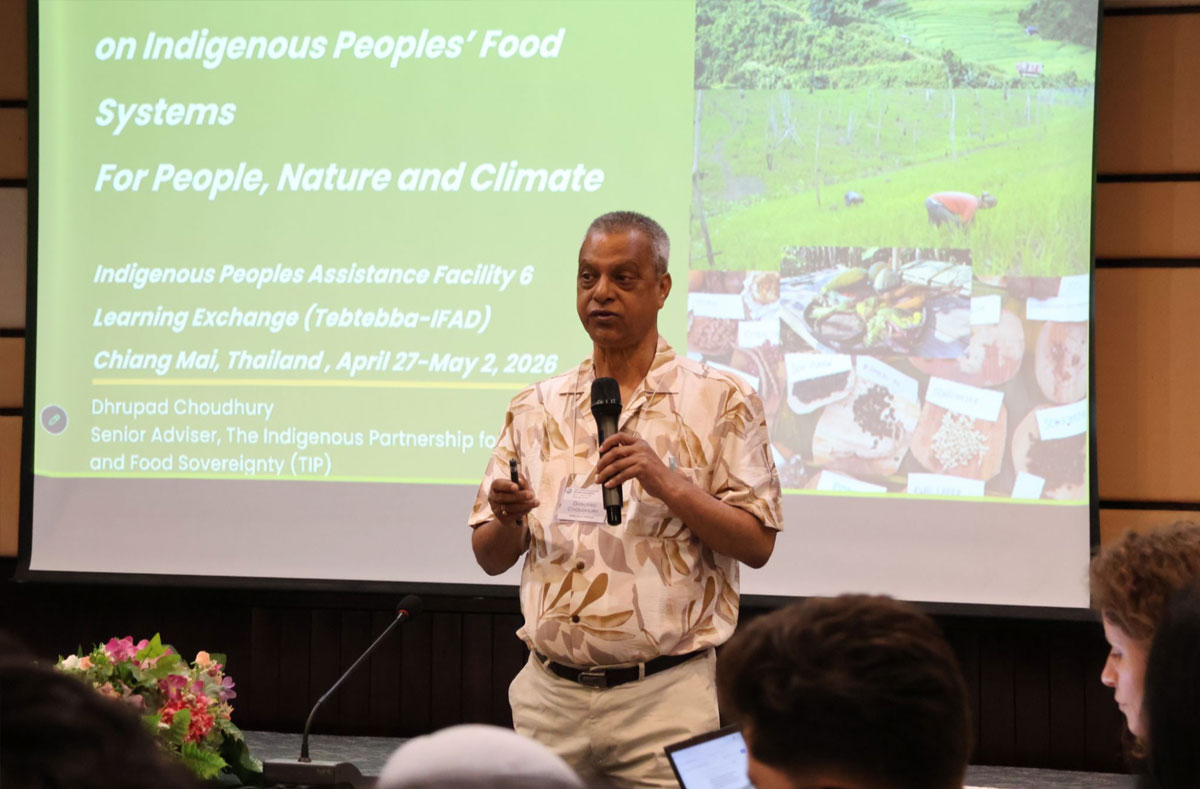
Dr. Dhrupad Choudhury, Senior Adviser at The Indigenous Partnership for Agrobiodiversity and Food Sovereignty and an expert on IFAD’s social, environmental and climate assessment procedures led a session on Outcome Framework for scaling up Indigenous Peoples’ food systems to benefit people, nature and climate. Dr. Dhrupad noted the role of agriculture in climate change, biodiversity loss and water insecurity. He stressed that Indigenous Peoples’ food systems offer solutions by providing nutritious food while protecting critical ecosystems.
![]()
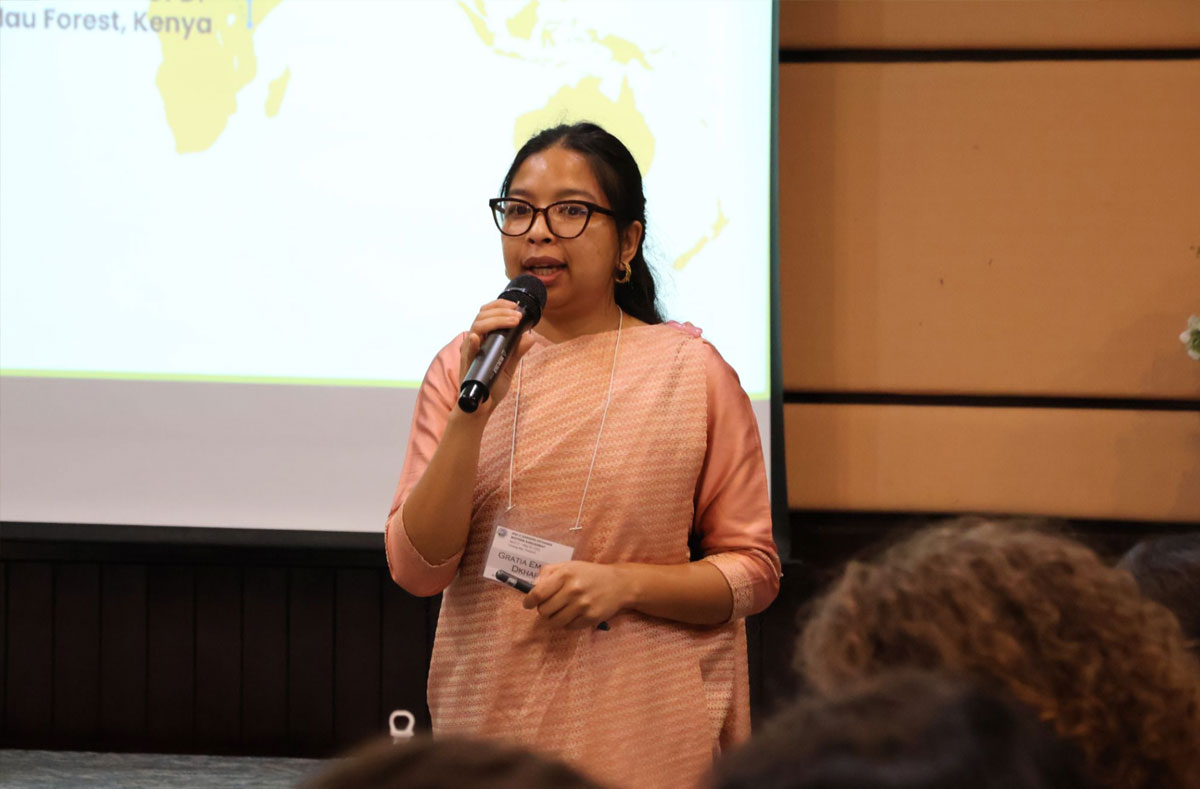
To further elucidate TAPE, Gratia Embok Dhkar of NESFAS presented the adapted TAPE assessment. The results showed strong agroecological performance in India, Kenya, Mexico and Thailand, highlighting crop diversity, women’s leadership and collective governance. Through storytelling, communities underscored values of interconnectedness and respect for nature, demonstrating that Indigenous food systems are nature‑positive and aligned with global biodiversity and sustainable development goals.
Expanding on the Outcome Framework, Dr. Dhrupad emphasized Indigenous food systems’ biocentric values of harmony and diversity over monocultures. He outlined five priorities identified by communities—nutritious food, biodiversity, sustained income, risk aversion and spirit of sharing—which informed two main goals: valuing positive impacts while nurturing sociocultural traditions.
The Outcome Framework is structured around six pillars, including Nurture Nature, Nourishing People, Livelihoods and Climate Adaptation. It has cross‑cutting areas, which include Responsible Governance and Intercultural Knowledge Creation and Management and pathways, such as seed banks, school meal programs, social enterprises and carbon‑sequestering landscapes.
Community partners of the 16 project partners shared their stories highlighting their reflections, challenges encountered, lessons learned, achievements and sustainability plans or strategies as Cycle 6 is about to close. This allowed participants to see the breadth of initiatives across the region, from food security and biodiversity conservation to women’s leadership and youth empowerment. They also reflected on intergenerational knowledge transmission and ways to strengthen partnerships beyond the current cycle. This interactive session not only showcased project impacts but also deepened collective learning, reinforcing the value of Indigenous‑led approaches in shaping resilient communities.
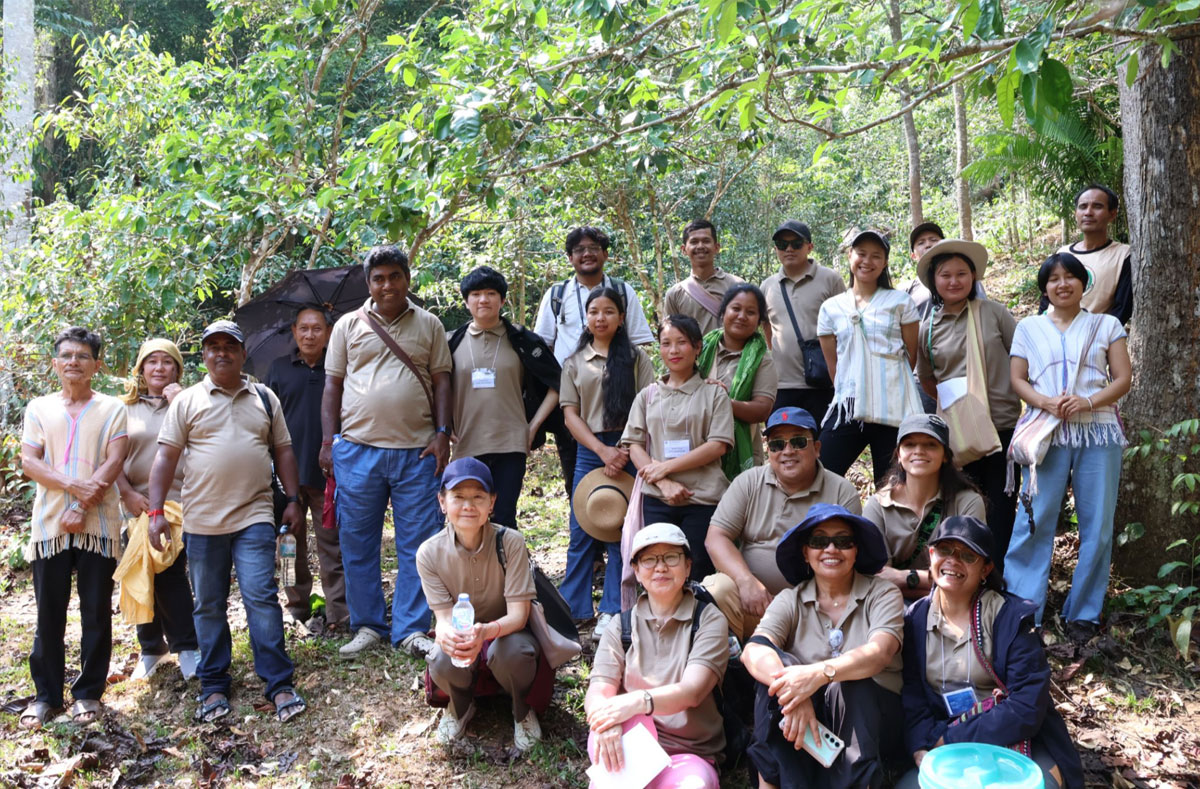
Visits to two Karen communities in northern Thailand were part of the learning exchange. One group visited Huay Hin Lad Nai in Chiang Rai where they learned about sustainable rotational farming, beekeeping and forest conservation as well as the strong collaboration between youth and elders in preserving Indigenous knowledge and self‑determination.
![]()
Another group visited Huay Ee Khang in Mae Wang District in Chiang Mai where they explored the pioneering Indigenous Women’s Forest initiative, traditional weaving, seed banking and natural dyeing. They engaged in hands-on activities such as dyeing and preparing herbal inhalers from medicinal plants, while observing how women’s leadership, youth‑elder collaboration and well‑documented practices strengthen cultural identity, livelihoods and territorial rights.
![]()
During the reflection session, the participants admired the Karen’s seed banking as well as documentation practices and clear land demarcations, which ensured recognition even by government institutions. Many of them pointed out the strong involvement of youth alongside elders, showing how knowledge is transmitted across generations, while women’s leadership in forest protection, weaving and cooperative management stood out as a model of empowerment. They also noted how Indigenous knowledge was blended with modern tools such as mapping and scientific analysis, strengthening resilience and advocacy. Forests were seen not only as sources of food but also as pharmacies and rice banks, sustaining households and reinforcing unity.
While challenges such as landlessness, water scarcity and limited social services were acknowledged, the participants emphasized the communities’ confidence, hospitality and self‑determination as inspiring examples. The project partners also agreed to revitalize the project’s social media page by highlighting success stories and engaging content. This decision underscored the importance of visibility and digital advocacy in sustaining momentum and sharing lessons learned beyond the project cycle.
In her synthesis, Helen Valdez, Project Officer of Tebtebba’s IPAF Project, stressed the sustainable resource use, communal ownership and active participation of women and youth in the two communities visited. She underscored the principle of “taking only what you need”.
Since the launch of the IPAF 6th Cycle in 2024, 17 projects across Bangladesh, Cambodia, India, Indonesia, Papua New Guinea, the Philippines and Vietnam have advanced Indigenous Peoples’ conservation and sustainable management of biodiversity as pathways to climate change adaptation and resilience. As these projects near completion–and with some already concluded–the gathering offered a timely opportunity to reflect on progress, share lessons and strengthen collective efforts to sustain the gains achieved.
The activity was co‑organized by Tebtebba Foundation, the Pgakenyaw Association for Sustainable Development and The Indigenous Partnership for Agrobiodiversity and Food Sovereignty, with support from the International Fund for Agricultural Development.