
Indigenous Peoples and practitioners from across Asia converged in Sabah for a groundbreaking 14-day Training of Trainers (ToT) Program on Community-Based Renewable Energy (CBRE) last January 12–23. The initiative, co-organized by TONIBUNG, PACOS Trust and the Right Energy Partnership with Indigenous Peoples (REP), and supported by UN Women, marks a decisive step toward ensuring Indigenous Peoples are not merely beneficiaries of renewable energy but leaders in its design, governance and implementation.
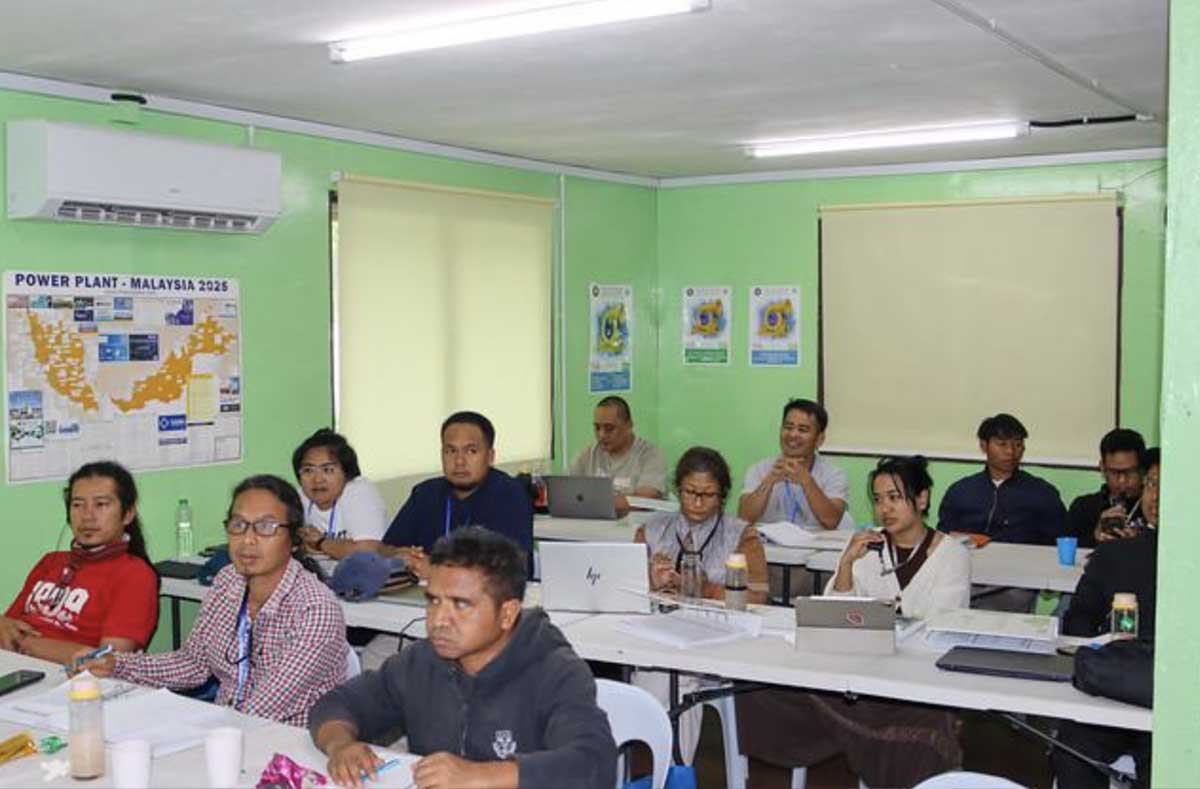
The training responds to a critical gap in the global energy transition: Indigenous communities are often excluded from decision-making, financing and technical leadership. By equipping Indigenous Peoples with technical expertise and facilitation skills, the program aims to build a future where renewable energy development is community-owned, rights-based and just.
As one participant reflected, “This is what capacity building looks like when knowledge becomes confidence, and confidence becomes action.”
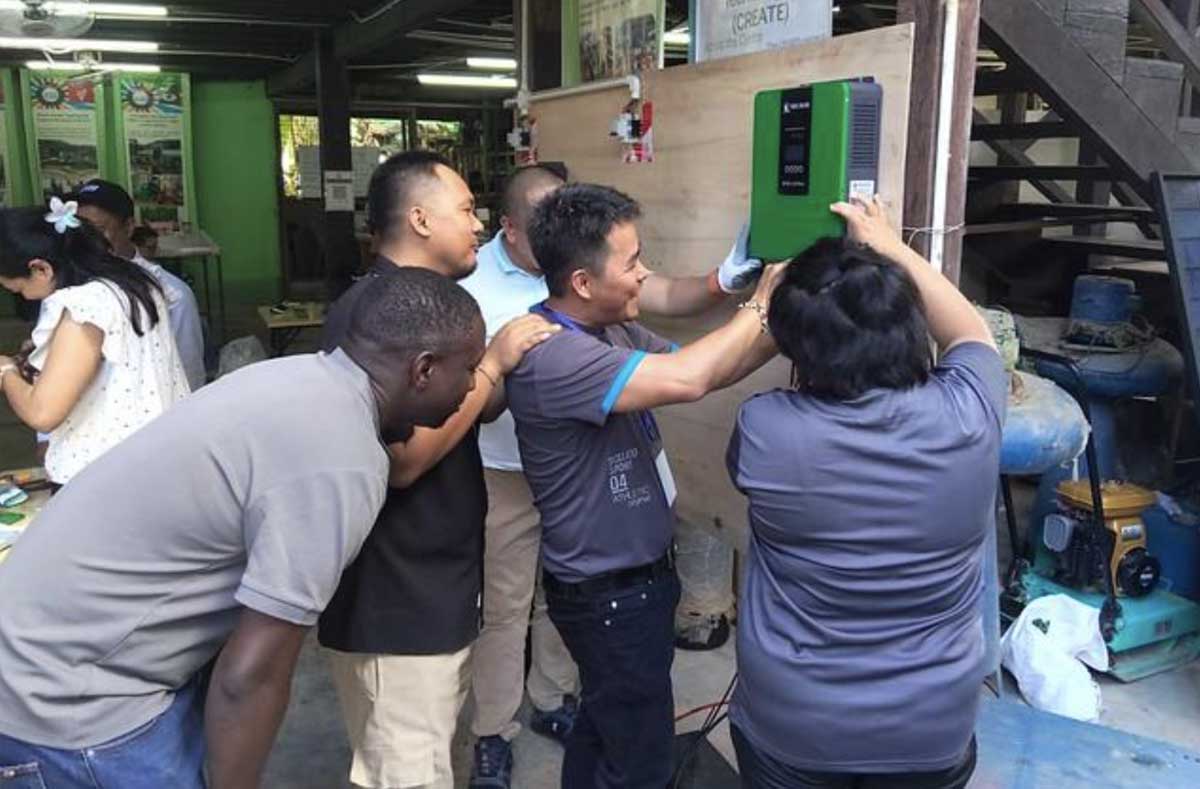
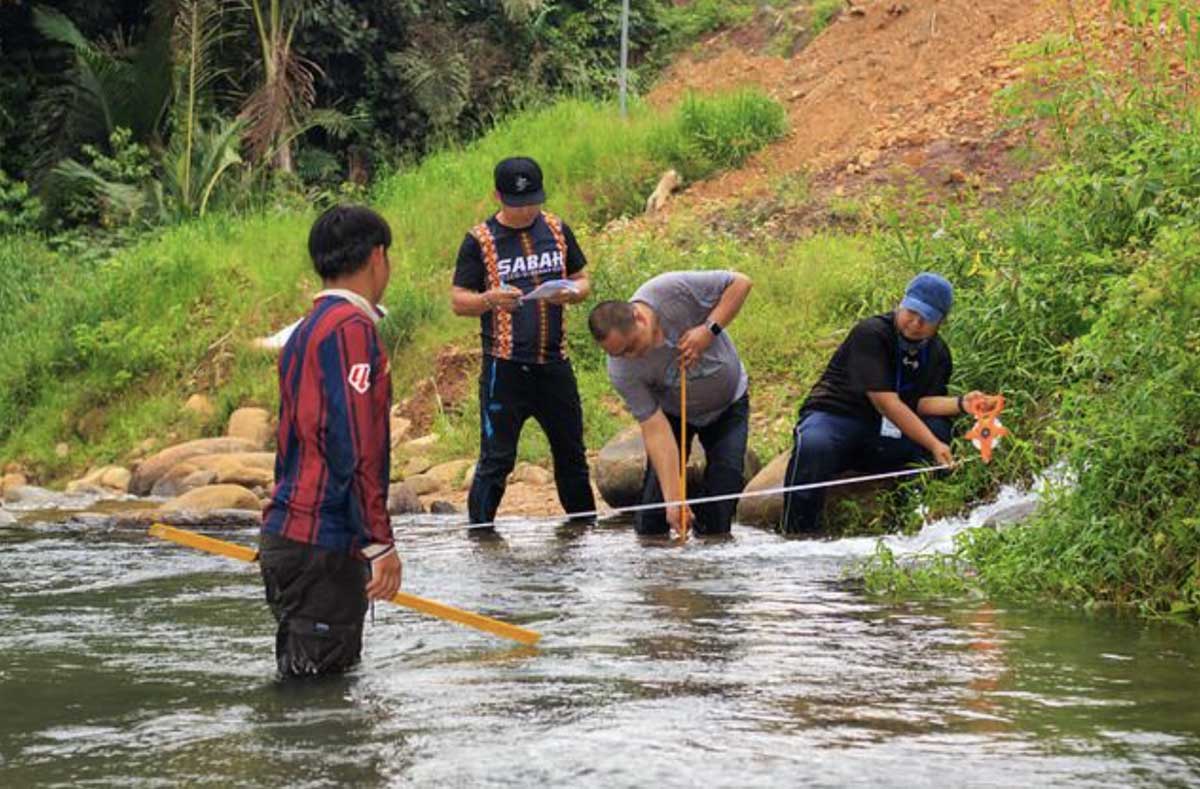
The sessions combined theory with practice in powerful ways. Participants assembled and commissioned solar photovoltaic (PV) systems, working with crimping tools, batteries and inverters to bring power to life with their own hands. Hydropower feasibility studies followed, with trainees conducting field measurements using salt dilution, global positioning system (GPS)-based methods and pressure gauges—underscoring how accurate data collection underpins reliable system design.
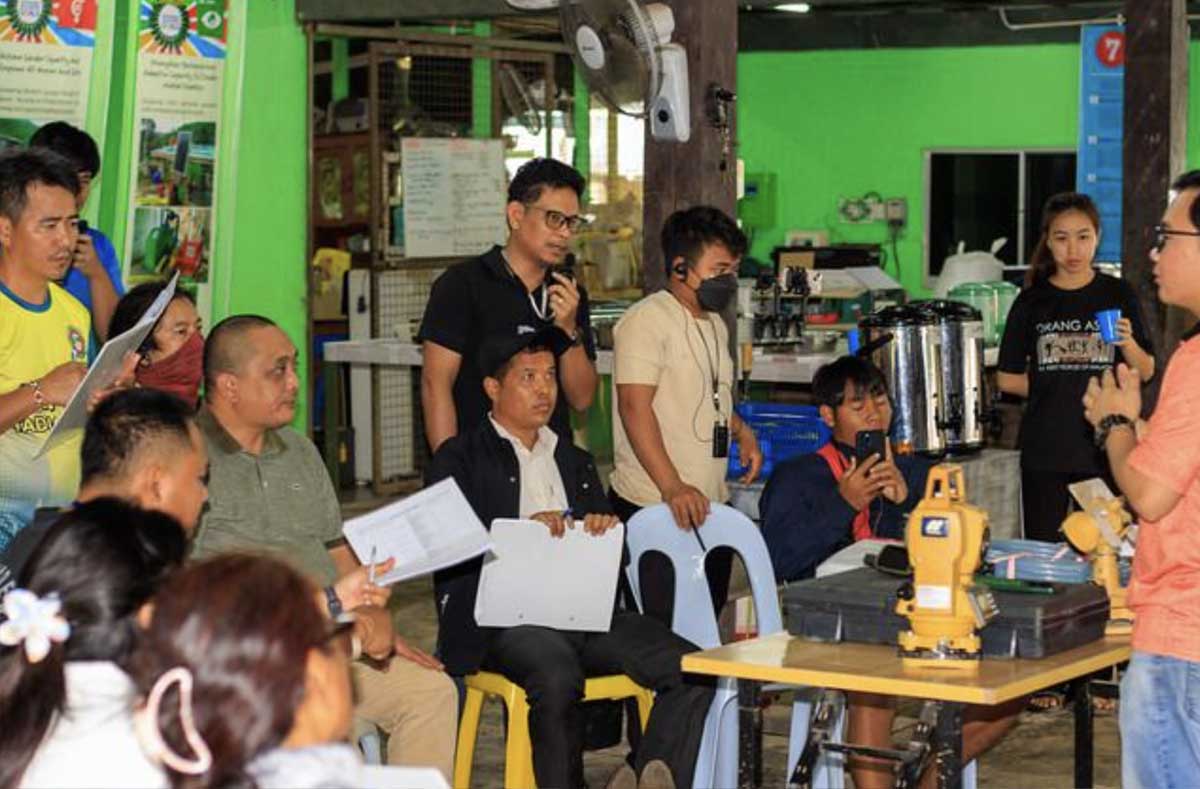
Field visits to Indigenous communities in Sabah such as Kampung Buayan allowed participants to measure stream discharge, mark GPS points and calculate micro-hydro potential, reinforcing the link between technical knowledge and sustainable practice. Visits to the Moyog Innovation House, a community-based social enterprise, showcased successful community enterprises, inspiring participants with tangible examples of sustainable development.
Renewable energy was framed not just as a source of electricity but as a driver of livelihoods. Participants explored productive end-uses such as agro-processing, eco-tourism and small enterprises powered by solar and micro-hydro systems. Women and youth were prioritized in skill-building workshops, linking energy access to economic empowerment and cultural revitalization.
The training emphasized that renewable energy is not only about hardware—it is about people. Sessions on free, prior and informed consent (FPIC) highlighted that community ownership must be collective, visible and documented. Anne Lasimbang of PACOS Trust reminded participants: “FPIC creates ownership, not dependency.”
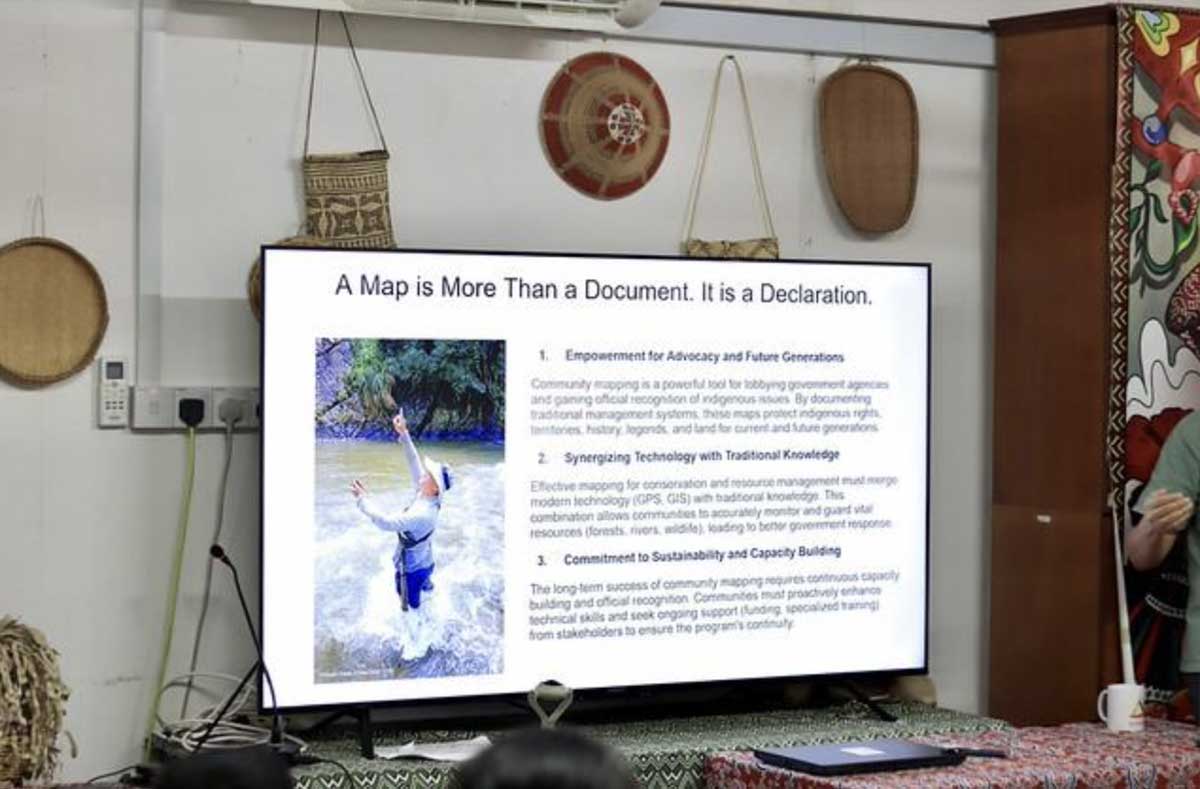
Social baseline assessments, community mapping and gender-inclusive grievance mechanisms were introduced to ensure projects respect Indigenous rights and strengthen local governance.
The training brought together participants from Asia, specifically Cambodia, Indonesia, Nepal, the Philippines, Timor Leste, as well as from Tanzania in Africa, reflecting a diverse regional commitment. Sessions on the Sabah Renewable Energy (RE2) Roadmap and the Indigenous Peoples of Asia Solidarity Fund (IPASF) connected local practice with global advocacy, ensuring Indigenous voices shape the broader energy justice movement.
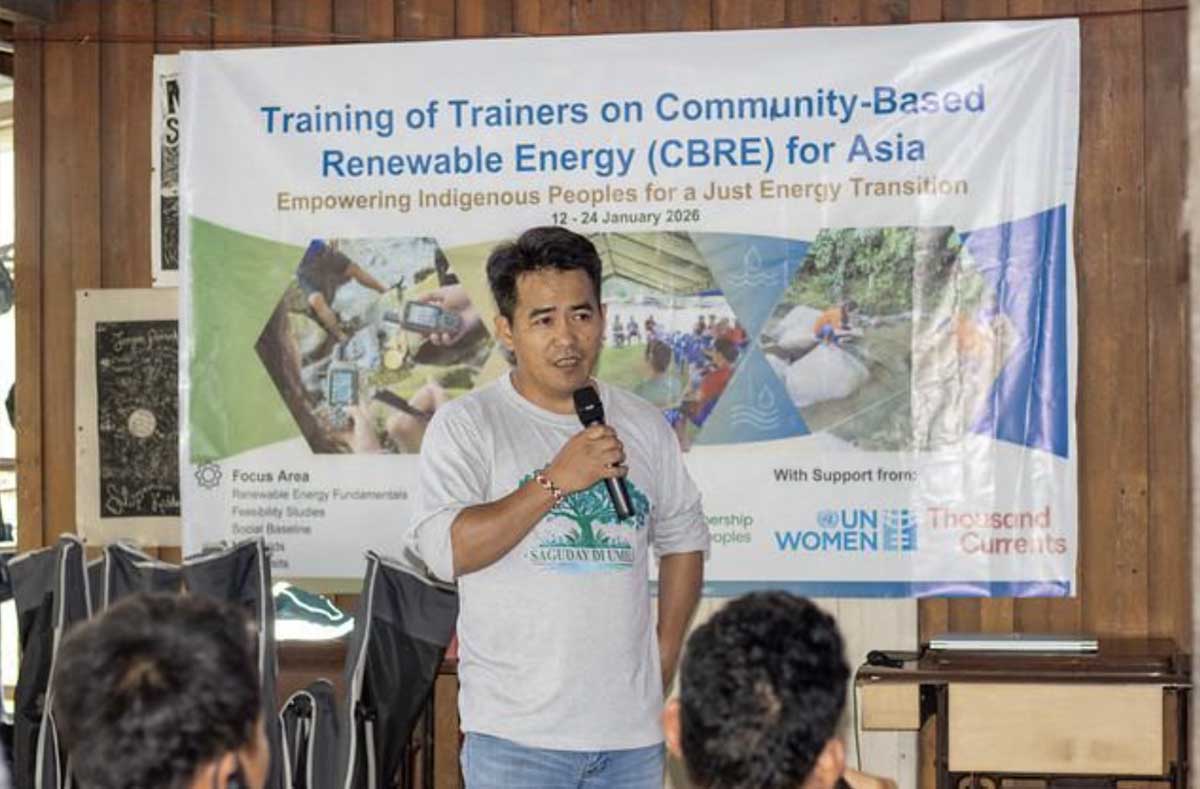
By the end of the program participants had not only mastered technical skills but also developed proposals, mapped community energy systems and strengthened solidarity across borders. The initiative underscored that Indigenous-led renewable energy is central to achieving climate goals, protecting territories and advancing sustainable livelihoods.
As the trainers from TONIBUNG emphasized, “The journey does not end in Sabah.” Each participant now carries the responsibility to train others in their own communities, multiplying impact and reducing reliance on external experts.

This training of trainers represents a turning point: a collective investment in Indigenous leadership for Asia’s energy transition, where renewable energy is not imposed but rooted in community, culture and justice.
Photos from REP with Indigenous Peoples flickr